


No to natural remedies for acne not backed by scientific evidence, yes to biotechnology applied to yourskin
16/09/2025
Vincobiosis® Acneic by Reig Jofre wins the Research award at the 2nd Tecnología Estética Awards
29/05/2026No to natural remedies for acne not backed by scientific evidence, yes to biotechnology applied to yourskin
16/09/2025Vincobiosis® Acneic by Reig Jofre wins the Research award at the 2nd Tecnología Estética Awards
29/05/2026For many years, care of acne-prone skin has been based on attacking blemishes with aggressive formulations. Indeed, the Spanish Academy of Dermatology and Venereology points out that acne is one of the most common skin conditions and that home-made treatments for it, lacking sufficient scientific backing, can be found all over social media.
Do natural remedies for acne lacking scientific proof actually work? We delve into this in detail in our blog post.
Care begins with understanding. To find an effective solution, you have to fully understand the problem. If you’ve ever asked yourself “why do I have acne?”, you’ll find the answer in the skin’s microbiota: the invisible ecosystem that protects your skin and that, when out of balance, can lead to inflammation, oiliness and the appearance of pimples on your face, back or chest.
Research in dermatology has shown that the skin’s microbiota plays an essential role in protecting the skin and helping it to function properly, especially in acne sufferers. Understanding the microbiota is just as important and knowing what your skin type is, because this allows you to choose the right products and prevent blemishes in the long term.
Set out below are 5 ways of looking after your acne-prone skin gently, based on dermatology research and understanding the skin’s microbiota.
Table of contents
- Look after the skin’s microbiota to keep acne-prone skin in balance
- Choose active ingredients that treat your skin gently
- Put your trust in biotechnology: science that listens to your skin
- Adopt a simple skincare routine for oily, acne-prone skin
- Don’t believe old wives’ tales about acne; choose skincare based on science
Look after the skin’s microbiota to keep acne-prone skin in balance
Acne is not just about oiliness or clogged pores: it also has a lot to do with the skin’s microbiota.
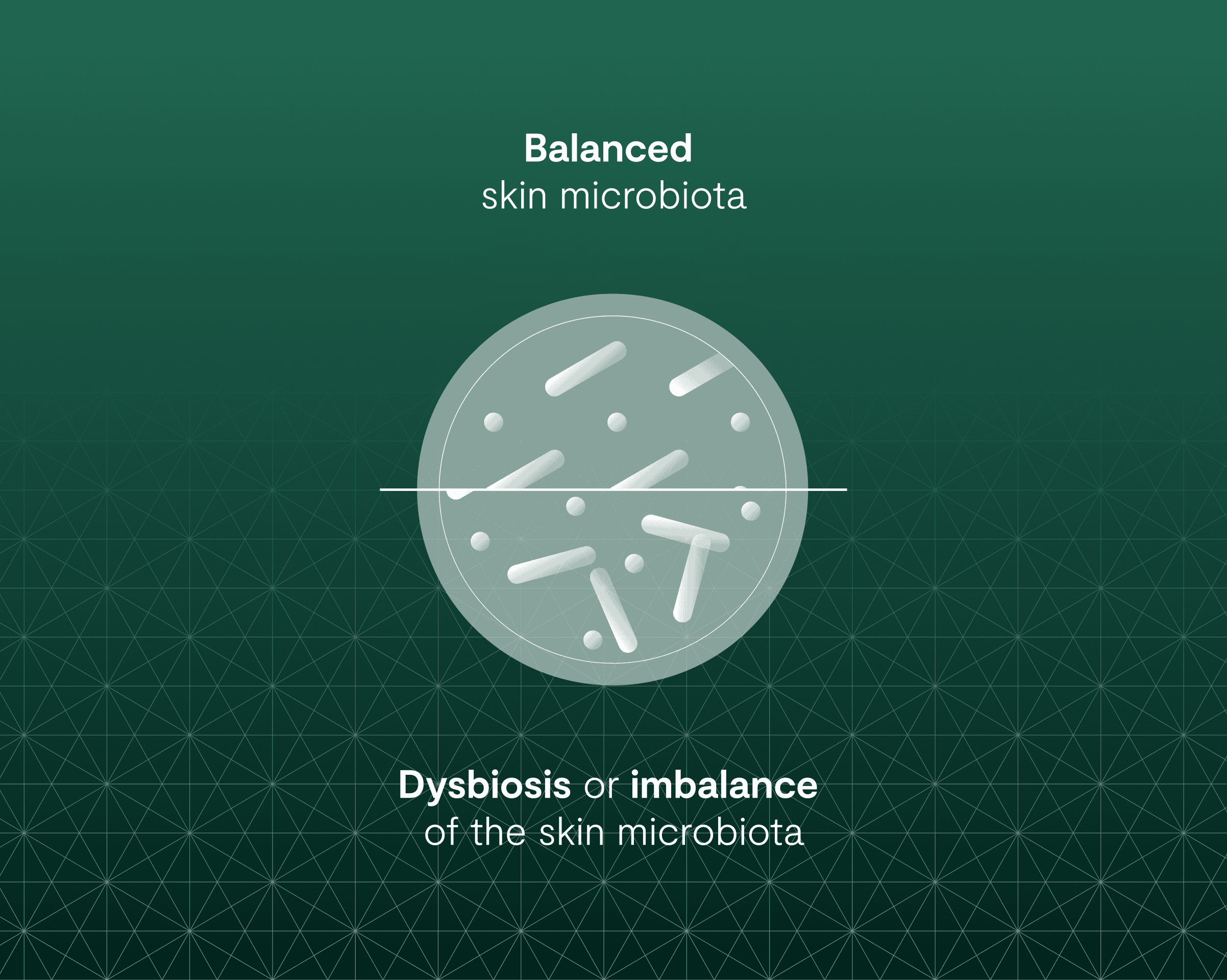
This invisible ecosystem is made up of millions of bacteria, fungi and microorganisms that live together in your skin and play essential roles: they are a defence against external agents, they modulate the immune response and they keep the skin barrier in balance.
When this system becomes imbalanced (a condition known as dysbiosis), microorganisms such as Cutibacterium acnes, that in normal conditions are harmless, can encourage inflammation and cause different types of spots to appear.
Understanding the importance of the skin’s microbiota is the first step towards looking after sensitive, acne-prone skin. Choosing gentle products and care routines adapted to your skin, such as Vincobiosis® Acneic, enables this balance to be maintained and blemishes in the long term to be prevented.
Choose active ingredients that treat your skin gently
The skin is much more than just an “external layer”: the epidermis, dermis and hypodermis work as a genuine protective barrier.
We are constantly exposed to stimuli that subject our skin to extreme situations. Most soaps and cleaning products, whether for clothes, the house or the skin, are tensioactive or surfactant agents that bind to grease and water to facilitate washing. However, they are also the main culprits in altering our skin’s hydrolipid film and acid mantle.
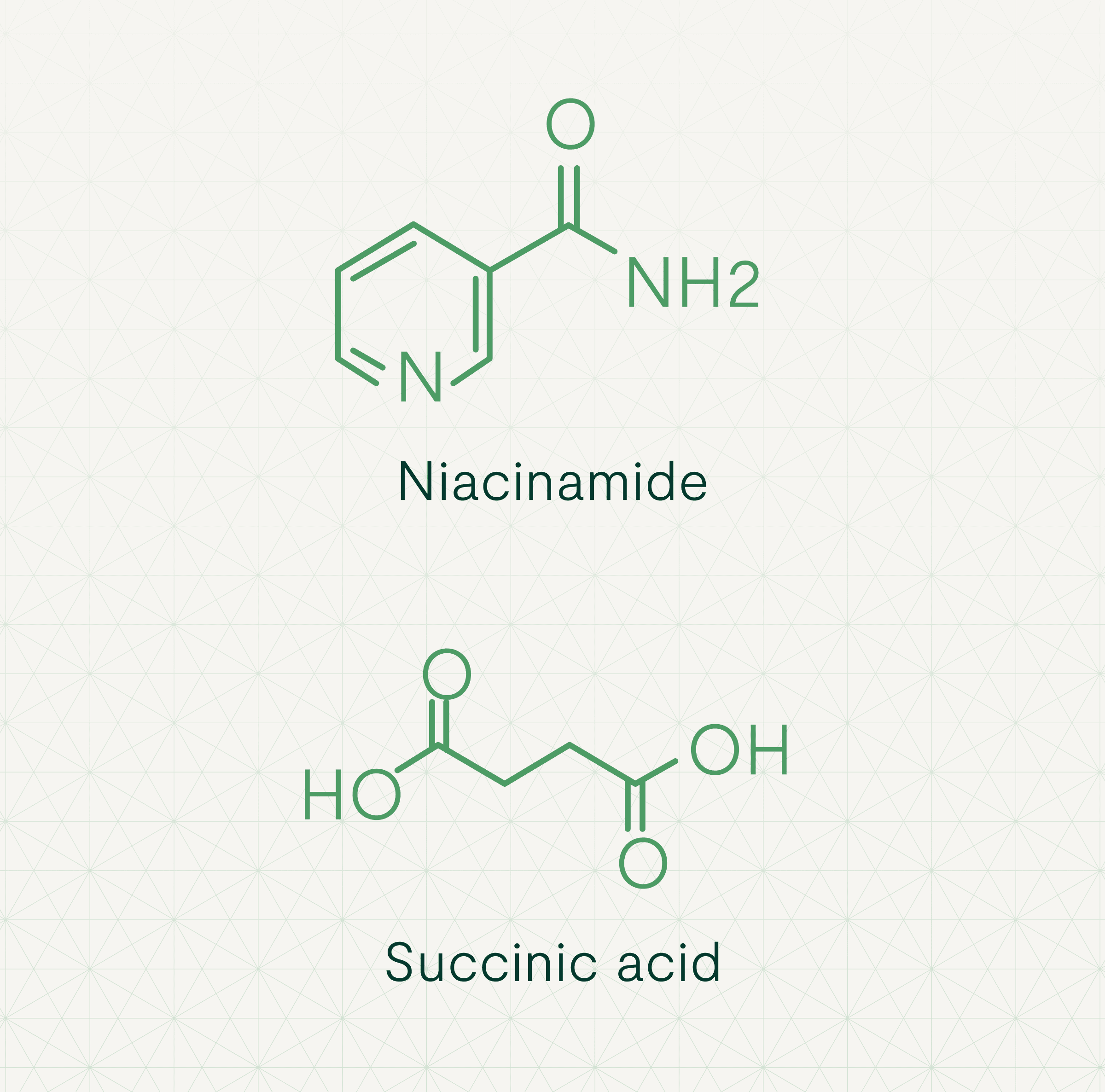
Some active ingredients, when combined in gentle formulations, become major allies for looking after acne-prone skin. Niacinamide (vitamin B3) stands out for its ability to regulate excess oil, hydrate deeply and reduce redness and inflammation. For its part, succinic acid produced naturally in the skin helps to keep skin microbiota in balance and reduce inflammation.
It doesn’t matter how many active ingredients are included in the formula; what is important is that ingredients are selected specifically with acne-prone skin in mind and are designed to look after skin and microbiota health as a whole.
Put your trust in biotechnology: science that listens to your skin
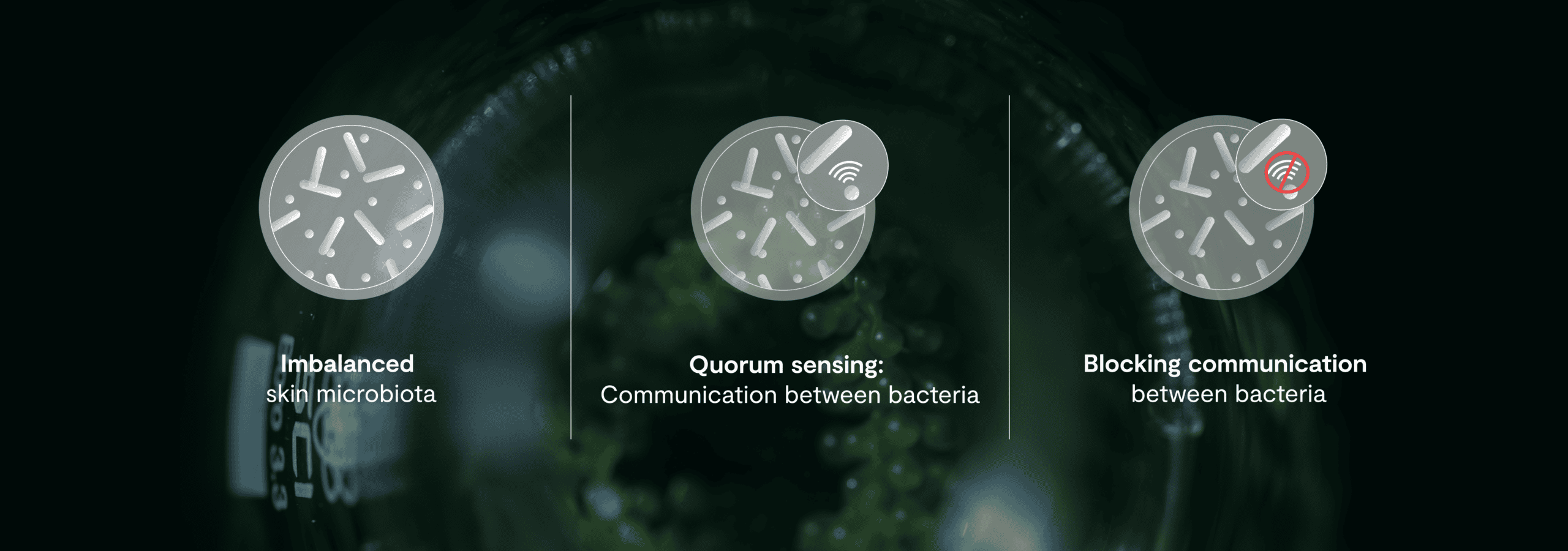
Going beyond the classic active ingredients, innovation in biotechnology has revolutionised the way we understand skincare. Research into quorum sensing —the system used by bacteria to communicate with each other— shows that it’s not a question of destroying bacteria, but rather about changing the way they interact to prevent them from becoming harmful.
This approach signals a new era in care for acne-prone skin: strategies that respect the skin’s microbiota and block communication between bacteria that are out of control in the skin. An example of this is the biotechnological ingredient Canonia Allysis®, exclusive to Vincobiosis® Acneic and developed by Reig Jofre pharmaceutical laboratory.
The aim is clear: effective solutions, based on science, and kind to skin.

Adopt a simple skincare routine for oily, acne-prone skin
The skin is the largest organ in the human body, and keeping it intact is fundamental for health and appearance. You don’t need to have complicated routines or use dozens of products: what makes the difference is being consistent. A simple routine based on gentle cleansing, good hydration and care designed for your particular skin type is sufficient for keeping the skin in balance and boosting its natural defences.
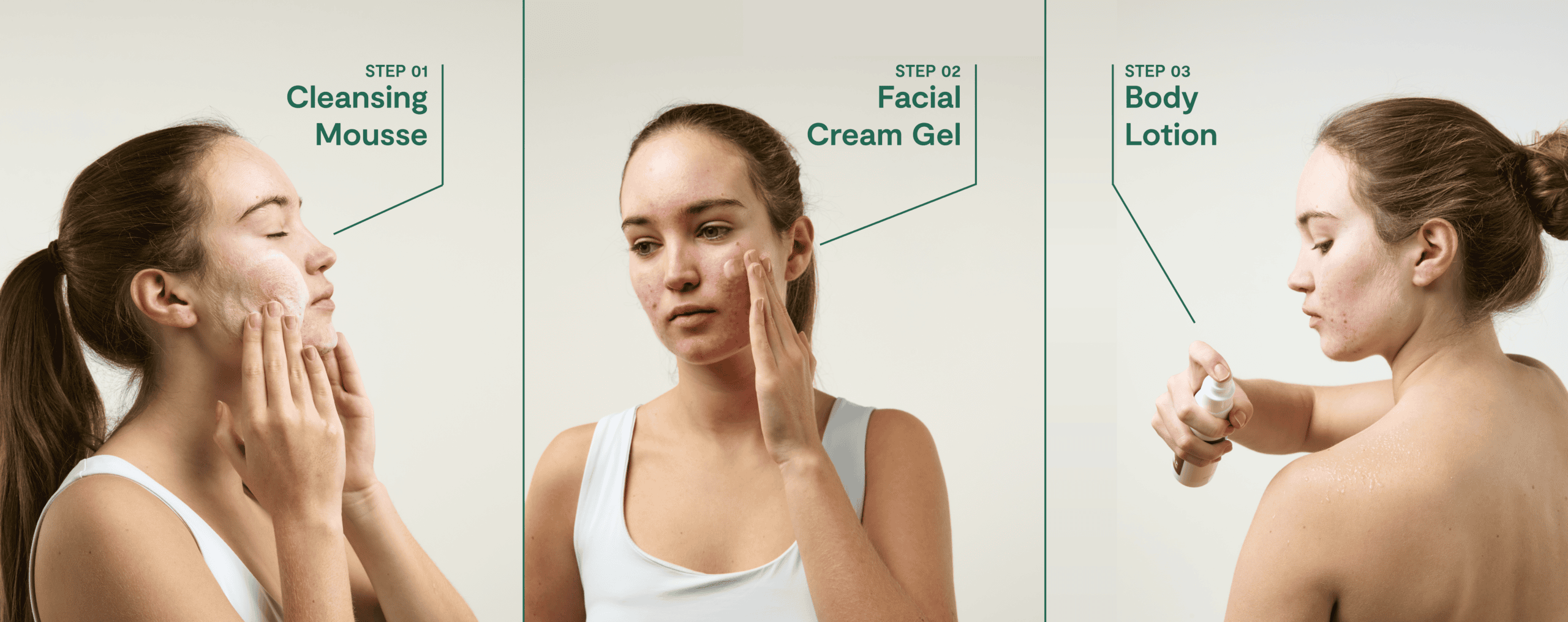
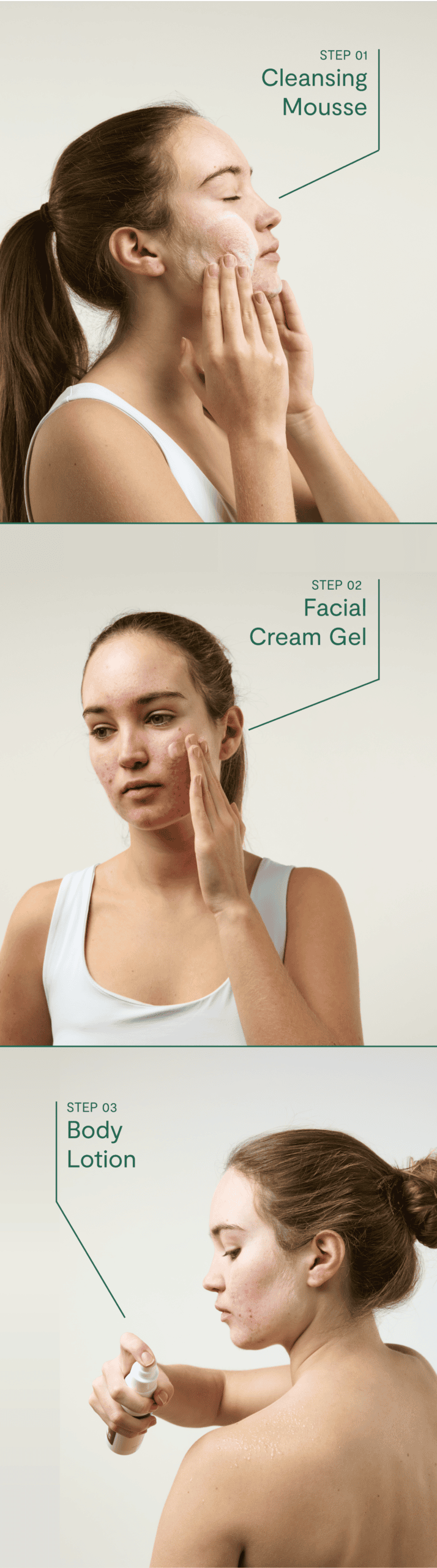
In skincare, less is more: deciding on a small but well-formulated number of products is the best way of strengthening the skin barrier and getting results. This philosophy is particularly useful in skincare routines for oily skin or for treating juvenile acne, designed for individuals looking for a skincare kit that is straightforward, effective and gentle, like Vincobiosis® Acneic, which combines a Dermo-balancing cleansing mousse, Dermo-balancing facial gel cream and Dermo-balancing body lotion spray in a single, gentle routine.
This is how we really help to reduce blemishes without damaging our skin.
Don’t believe old wives’ tales about acne; choose skincare based on science
There are lots of tips with zero scientific proof on the Internet, ranging from claiming that sunshine “dries” pimples to home-made remedies that allegedly remove spots from your face instantly. The truth of the matter is that UVB radiation increases sebum production and causes age spots, and that home-made face masks containing lemon juice, bicarb or toothpaste can cause even greater skin irritation.
Another highly common myth is that washing your face frequently every day will get rid of spots. In actual fact, washing your skin too much can upset its balance, make it produce more oil and worsen blemishes. Daily hygiene (morning and night) is a pillar of acne care. Cleansing products need to be acidic. Their function is to remove dirt, sweat, excess sebum, pollution residues and cosmetics. Weekly face masks are a complement to daily hygiene, because they act more deeply.
Vincobiosis® Acneic: the gentle routine for acne-prone skin
To include these tips in your daily routine, Vincobiosis® Acneic, developed by Reig Jofre pharmaceutical laboratory, provides a biotechnological solution designed for acne-prone skin.
Its plant-based biotechnological ingredient Canonia Allysis®, inspired by plant defence mechanisms, blocks communication between the bacteria that lead to blemishes and helps to restore balance to the skin’s microbiota, without attacking either the skin or its ecosystem.


Looking after acne-prone skin has stopped being about attacking pimples or blemishes, and is now about respecting the skin’s ecosystem and restoring its natural balance. The key is understanding your skin’s microbiota, choosing the right ingredients, putting your trust in science and sticking to simple routines, not listening to old wives’ tales or using harsh and unnecessary treatments.
Vincobiosis® Acneic ushers in the new skincare era that looks after your skin from the inside out, treating it gently and using biotechnology.
Literature references:
Combalia, A. (2021). Piel sana in corpore sano: consejos prácticos para tener una piel sana, bonita y radiante. Grijalbo. López-Ybarra, R. (2021). Nuevos tratamientos en acné. El Farmacéutico, (605), 27-34. Padilla-Desgarennes, M. C., & Rosas-Morett, M. T. (2024). Microbiota cutánea. Revisión bibliográfica. Revista del Centro Dermatológico Pascua, 33(1), 5-11. https://doi.org/10.35366/119092 Fundación Piel Sana – AEDV. Guía para pacientes con acné. Academia Española de Dermatología y Venereología. Vincobiosis® Acneic. https://vincobiosis.com/es/

